Advisory

Taste. Judgment. Research. Results.

Some problems call for a fresh set of eyes. Some call for someone who has been paying close attention to a fast-moving landscape for a long time. Most call for both.

That is what you get here.

Let's Talk

The Toolbox

A specific combination of skills that is hard to find in one place.

There are plenty of smart people available for hire. What is harder to find is someone who brings creative instinct and analytical discipline together, who researches before advising, and who has a working, hands-on understanding of AI and where it is actually taking things.

Taste and judgment.

Two decades of working across design, strategy, marketing, and technology builds a sensibility that is difficult to describe but shows up clearly in the work. Knowing what is right, what is almost right, and what needs rethinking is a real skill. It is one I have been developing since 2003 and apply to every engagement.

Creativity and strategy.

The best strategic decisions require imagination. The most creative work requires discipline. These are not opposing modes, they inform each other. I bring both, and I know which one a situation is calling for.

Research and careful thinking.

I do not advise on things I have not thought through. When I have direct experience, I bring it. When I do not, I find out, seriously, not superficially, before weighing in. That means primary sources, real synthesis, and an honest read of what is known versus what is assumed.

A working knowledge of AI and where it is headed.

I use AI every day in ways that go well beyond the standard use cases. I stay current on agentic systems, emerging tools, and the real-world implications for businesses building new things or rethinking existing ones. That is not a credential, it is a habit. And it means I can speak to this landscape with specificity rather than generality.

The Work

New ideas. Evolving businesses. Bigger questions.

The clients I work with tend to be at an interesting moment. They are building something new, a product, a service, a digital experience, or rethinking something existing in light of how much the landscape has shifted. Sometimes the question is strategic. Sometimes it is creative. Often it is both at once.

Think of it the way you would think of a trusted architect. You do not hire an architect because you want blueprints. You hire them because you need someone who can understand the full picture, ask the questions nobody has asked yet, and make sure the right decisions happen at the right moments. The deliverable is the output. The thinking is the value.

  • A new product, app, or digital experience that needs strategic and creative thinking before it needs a build.
  • A business reconsidering its brand, positioning, or how it reaches people.
  • A company trying to figure out where AI and agentic tools fit into what they do, or what they could do.
  • A founder or leadership team working through a decision that keeps getting harder from the inside.
  • An existing service or offering that needs to evolve and nobody is sure where to start.

In Practice

What this kind of thinking looks like on a real problem.

A client came to me trying to decide whether to build a new capability in-house or find a partner to provide it. They had been going back and forth for months. There were strong opinions on both sides internally, and the longer it dragged on, the more entrenched those opinions got.

Instead of weighing in on the debate directly, I stepped back and asked a different question: what would have to be true for each option to be clearly right? We mapped that out together. Then I asked which of those conditions we could actually verify, and which were assumptions everyone had been treating as facts.

Two of the facts were not. Once we replaced them with what was actually known, the decision became straightforward. Not because the problem was easy, it was not, but because the right question had not been asked yet.

That is not a trick. It is what careful thinking looks like. It is also the kind of thing that is harder to do from inside the problem than from outside it.

I work through exercises like this with and without AI assistance, structured reframing, first-principles analysis, isolating the riskiest assumption before building around it. The method changes with the situation. The discipline does not.

  • Stuck debate
  • What would have to be true?
  • Known facts vs. assumptions
  • Verify the riskiest assumptions
  • Decision becomes clear

What Clients Say

The thinking lands.

Client comments belong here once final quotes and attribution are approved. Until then, the proof is framed around what engagements consistently need.

  • Clarity when the room is split.

    Useful advisory work turns stuck debates into decisions people can act on.

    Decision support

  • Research before recommendation.

    Assumptions get separated from facts before the advice hardens into a plan.

    Careful synthesis

  • Strategy close to execution.

    The thinking stays connected to what a team can actually build, ship, and sustain.

    Practical outcomes

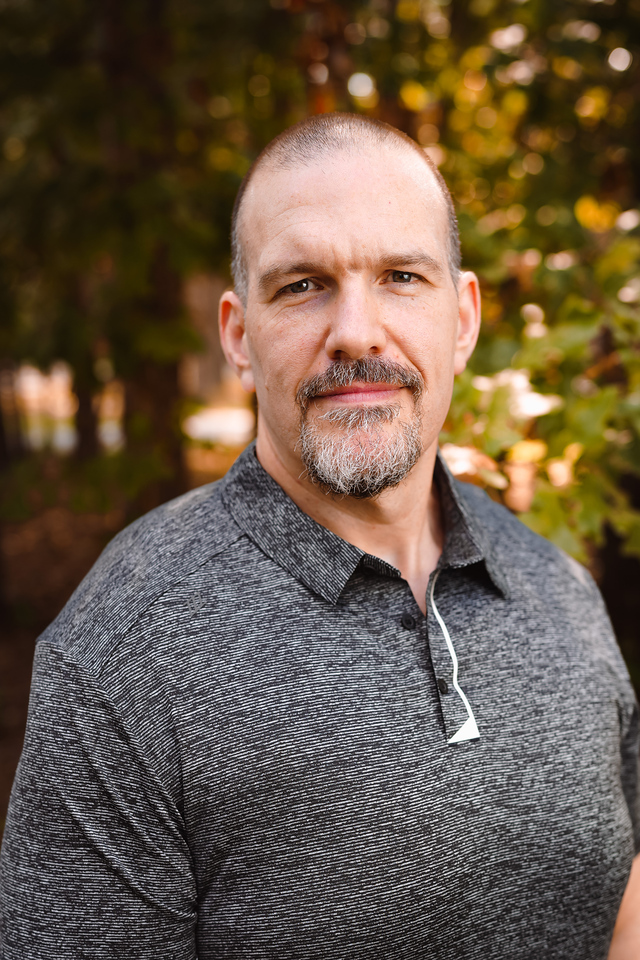
Portrait of Forrest Salisbury

Background

Wide by design. Informed by habit.

I have been doing design and web work since 2003. Along the way I added business operations, technology consulting, marketing strategy, AI implementation, and enough time watching how industries shift to know what patterns tend to repeat, and where the pattern breaks.

None of that was a planned curriculum. It accumulated because I am genuinely curious about how things work, systems, organizations, technology, decisions, and because I have found that the most useful thinking almost always comes from connecting across disciplines rather than going deeper into just one.

I stay informed on purpose. The intersection of AI, technology, and business strategy is moving fast. Staying current is not optional for the kind of advice I give, and it is not a chore. It is one of the things I find genuinely interesting.

I also run Super Creative, a design and digital experience studio for clients whose work calls for execution alongside thinking. When strategy points toward a build, the path there is short.

More about the work
Contact

Most good things start with a conversation.

I am not running an intake form. If what you have read here resonates, if you have something worth thinking carefully about, reach out directly. We will talk. If there is a fit, we will figure out what working together looks like from there.

No pitch. No package. Just a conversation.